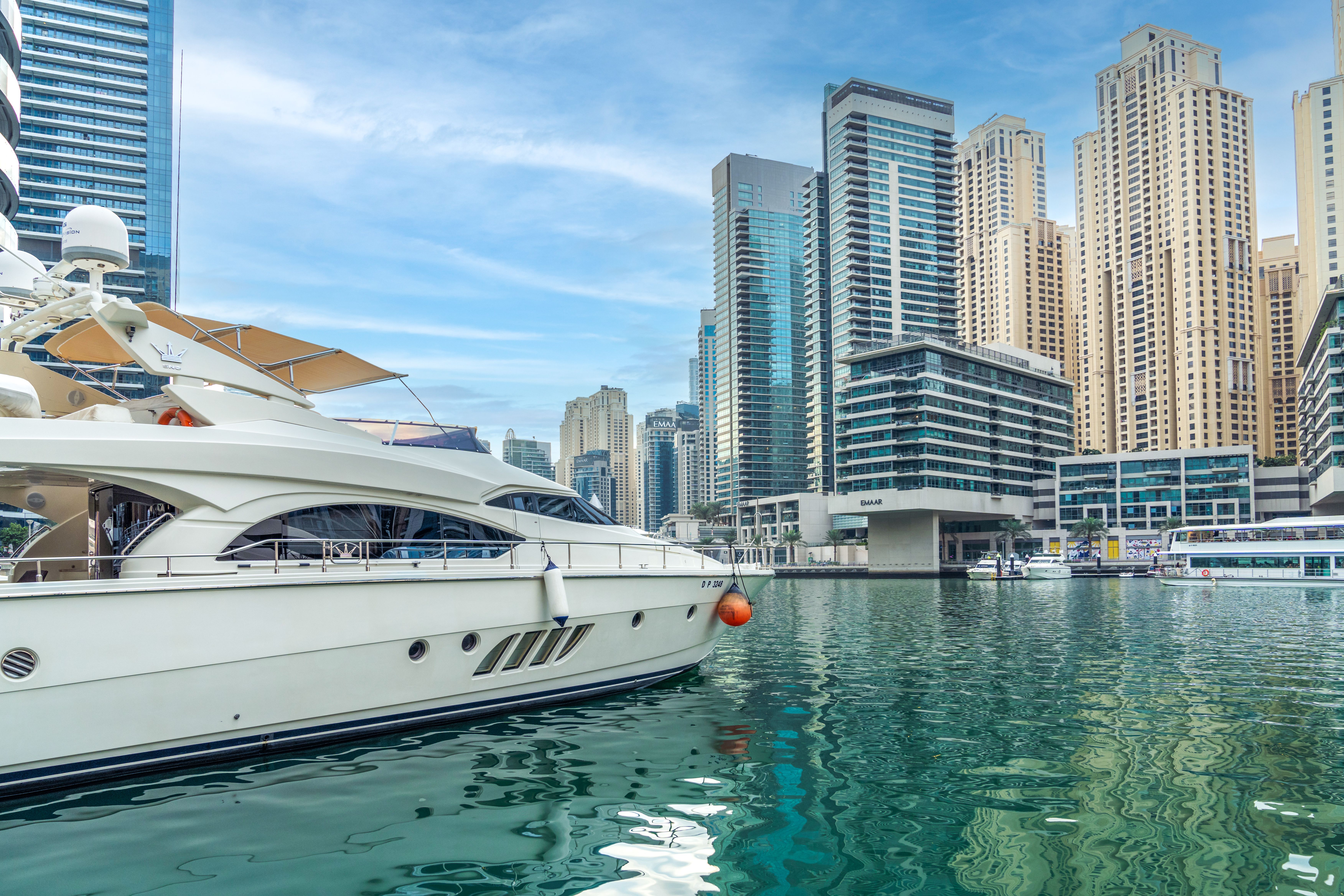
Emiratos Árabes Unidos
Un ecosistema inmobiliario internacional con sólidos indicadores de crecimiento y revalorización del patrimonio.
Un ecosistema inmobiliario internacional con sólidos indicadores de crecimiento y revalorización del patrimonio.
Dubái y Ras Al Khaimah se han consolidado como dos de los principales polos de desarrollo inmobiliario de la región, impulsados por el crecimiento económico, la planificación urbana y la demanda internacional.
Ambas ciudades destacan por combinar estabilidad institucional, desarrollo urbano estratégico y una creciente atracción de capital internacional. A diferencia de otros mercados tradicionales, el ecosistema inmobiliario local integra ventajas fiscales, acceso abierto para compradores extranjeros y un marco regulatorio diseñado para aportar seguridad y transparencia en las transacciones.
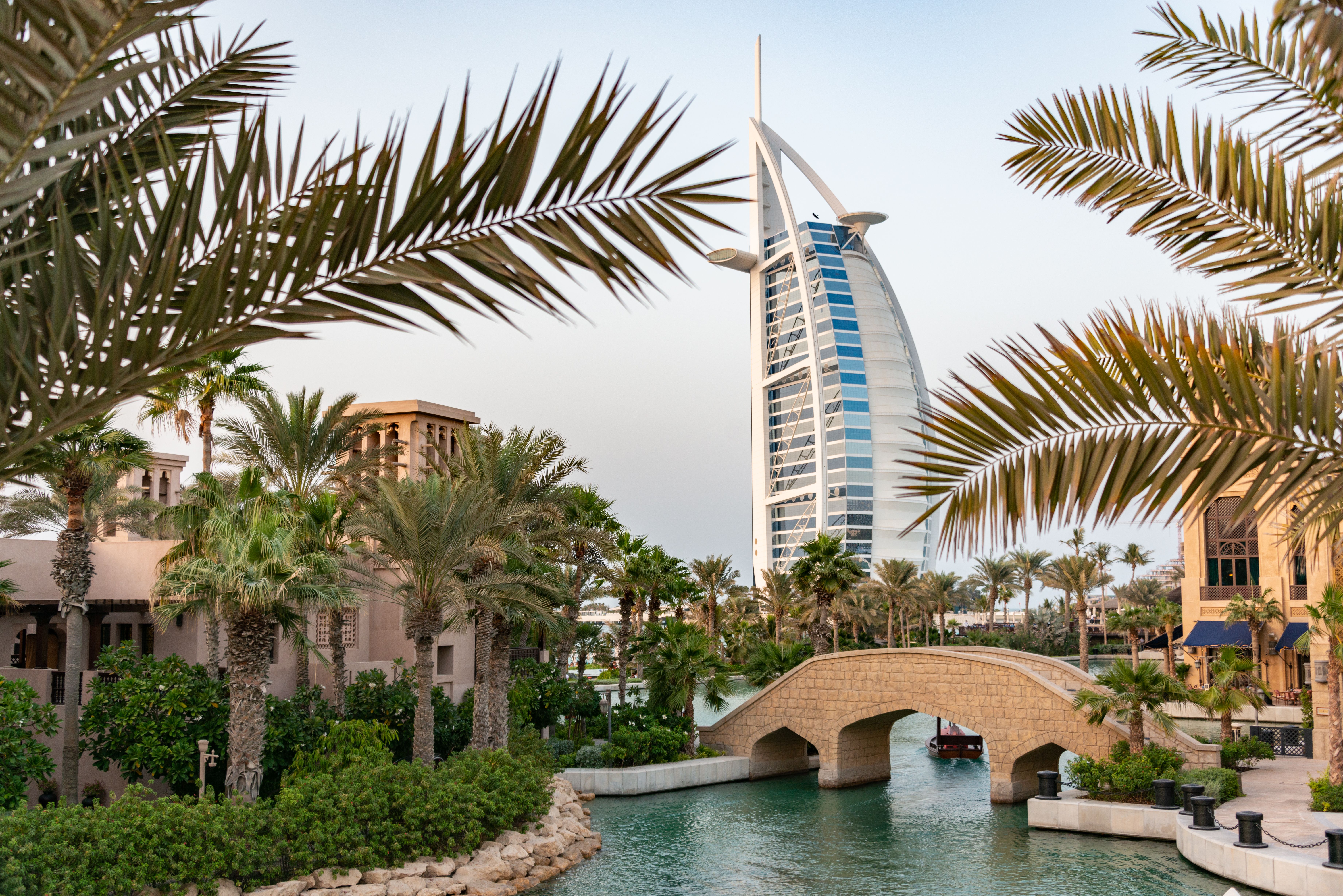
Los valores pueden variar según la zona, el proyecto y la fase de comercialización.
Un entorno global con alta participación de compradores e inversores internacionales.
Supervisión institucional, cuentas escrow reguladas y registro digital de las transacciones.
Planificación urbana orientada al crecimiento económico y a la expansión residencial a largo plazo.
0% sobre plusvalías y patrimonio, dentro de un marco fiscal competitivo diseñado para atraer inversión y capital internacional.